
Requesting General Contractor Cost Quotes Efficiently

When you’re planning a construction or renovation project, getting the right estimate is crucial. It’s not just about the price. It’s about understanding what you’re paying for, how the contractor works, and making sure your project runs smoothly. I’ve learned that requesting a general contractor cost quote efficiently can save you time, money, and headaches. Let’s explore how to do this well.
Understanding General Contractor Cost Quotes
Before diving into the process, it’s important to know what a general contractor cost quote really means. It’s a detailed estimate of the expenses involved in your project. This includes labor, materials, permits, and sometimes even contingencies for unexpected issues.
A good quote is clear and comprehensive. It breaks down costs so you can see where your money is going. It also sets expectations for timelines and payment schedules. Without this clarity, you risk surprises later on.
When you ask for a quote, be prepared to provide detailed information about your project. The more precise you are, the more accurate the quote will be. This means having plans, specifications, and a clear idea of your budget.

Having detailed plans ready helps contractors provide accurate cost quotes.
How to Request General Contractor Cost Quotes
Requesting quotes might seem straightforward, but doing it efficiently requires some strategy. Here’s a step-by-step approach that I recommend:
Define Your Project Clearly
Write down your project scope. Include size, materials, finishes, and any special requirements. If you’re renovating, note what stays and what changes.
Research Local Contractors
Look for contractors with good reputations in your area. Check reviews, ask for references, and verify licenses. This helps avoid wasting time on unreliable bids.
Prepare a Request for Quote (RFQ)
An RFQ is a document that outlines your project and asks contractors to submit their bids. Include deadlines, project details, and any specific questions you want answered.
Contact Multiple Contractors
Don’t settle for the first quote. Reach out to at least three contractors. This gives you a range of prices and approaches to compare.
Ask for Detailed Quotes
Request itemized quotes. This means breaking down costs by labor, materials, permits, and other expenses. It helps you spot any hidden fees or unrealistic estimates.
Clarify and Follow Up
If something in the quote is unclear, ask. A good contractor will be happy to explain. This also shows you’re serious and informed.
Compare and Evaluate
Look beyond price. Consider experience, communication, and how well the contractor understands your project. Sometimes paying a bit more upfront saves money later.
By following these steps, you’ll get quotes that are easier to compare and more reliable.
How to Quote as a General Contractor?
If you’re a contractor yourself or just curious about the process, quoting accurately is an art and a science. Here’s what I’ve found works best:
Start with a Thorough Site Visit
Seeing the project location helps identify challenges and opportunities that plans alone might miss.
Understand Client Expectations
Ask questions about budget, timeline, and priorities. This helps tailor the quote to what matters most.
Break Down Costs Clearly
Separate labor, materials, equipment, and subcontractor fees. Transparency builds trust.
Include Contingencies
Construction projects often face surprises. Adding a contingency percentage protects both parties.
Use Software Tools
Estimating software can improve accuracy and speed. It also helps generate professional-looking quotes.
Review and Double-Check
Mistakes in quotes can cost you. Always review numbers and assumptions before sending.
Communicate Clearly
Explain what’s included and what’s not. This avoids misunderstandings later.
By quoting carefully, contractors can build strong client relationships and reduce disputes.
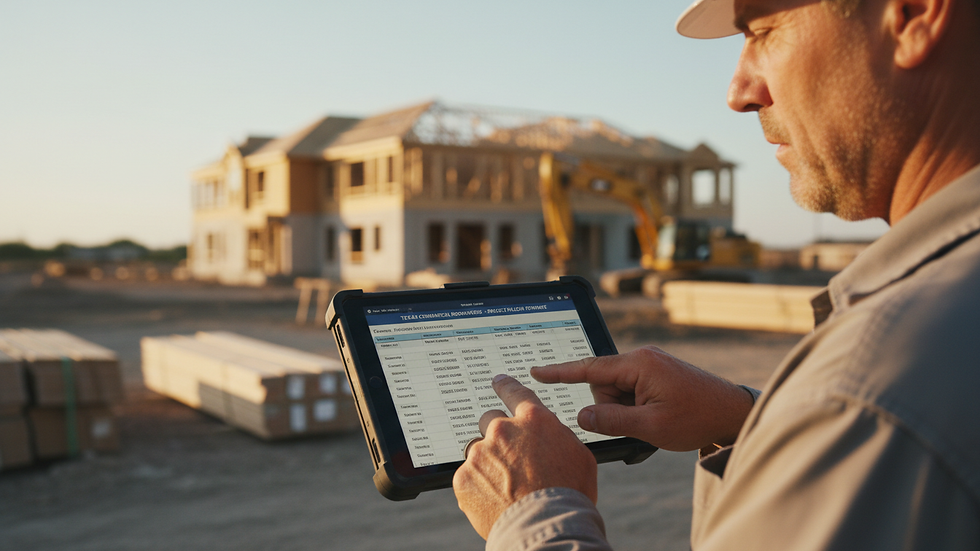
Contractors benefit from clear, detailed quotes to build client trust.
Common Mistakes to Avoid When Requesting Quotes
Even with the best intentions, mistakes happen. Here are some pitfalls I’ve seen and how to avoid them:
Being Vague About Project Details
If you don’t provide enough information, quotes will be inaccurate or inflated to cover unknowns.
Choosing Based on Price Alone
The cheapest quote isn’t always the best. Quality and reliability matter.
Ignoring Contractor Credentials
Licenses, insurance, and references are essential. Don’t skip this step.
Not Asking for Written Quotes
Verbal estimates can lead to confusion. Always get quotes in writing.
Failing to Communicate Changes
If your project changes, update contractors. This keeps quotes relevant.
Rushing the Process
Take your time to review and compare. Hasty decisions often lead to regrets.
Avoiding these mistakes helps you get a fair and useful general contractor quote.
Tips for Negotiating and Finalizing Your Quote
Once you have your quotes, it’s time to negotiate and finalize. Here’s how to do it effectively:
Be Respectful and Professional
Contractors are more willing to negotiate with clients who show respect.
Focus on Value, Not Just Price
Ask if there are ways to adjust the scope or materials to fit your budget.
Clarify Payment Terms
Understand when payments are due and what milestones trigger them.
Request a Detailed Contract
The contract should reflect the agreed quote and include timelines, warranties, and responsibilities.
Keep Communication Open
Stay in touch throughout the project to address issues early.
Negotiation is about finding a win-win. Don’t be afraid to ask questions or request adjustments.
Moving Forward with Confidence
Requesting a general contractor quote efficiently is a skill worth developing. It helps you make informed decisions and sets your project up for success. Remember to be clear, thorough, and patient. Take the time to research and communicate well. This approach reduces surprises and builds trust with your contractor.
By following these guidelines, you’ll feel more confident managing your construction or renovation project. The right quote is more than a number - it’s a roadmap to your dream space.
Good luck with your project!


Comments